Things to Do in Lyon in September
September weather, activities, events & insider tips
Shoulder Season · Good Value
September Weather in Lyon
Long-run averages for September
73°F (23°C)
High Temp
55°F (12°C)
Low Temp
3.2 inches (81 mm)
Rainfall
76%
Humidity
7
Rainy Days
5
Sunny-Day UV
⚠ September thunderstorms can build quickly along the Rhône and Saône corridor with limited warning, the valley geography funnels weather systems through Lyon, and afternoon storms occasionally bring brief but intense downpours with strong gusts that make exposed riverbank areas and the Fourvière hilltop uncomfortable for 30 to 60 minutes before clearing
Is September Right for You?
Weigh the advantages and considerations before booking
Advantages
- + September hits that rare sweet spot where Lyon becomes a walking city. Warm enough to linger at an outdoor bouchon table over Beaujolais and cervelle de canut. Cool enough by evening to climb the Montée de la Grande Côte to Croix-Rousse without drowning in sweat. July and August push 28°C (82°F) with concrete-amplified heat on the Presqu'île. September dials back to 23°C (73°F). The whole city opens up on foot.
- + Wine harvest is underway in Beaujolais and the northern Rhône Valley, less than an hour from Lyon either way. Vineyards are at their most alive. Heavy clusters of Gamay and Syrah still hang on the vine. Workers move between rows. Cellar doors run tastings with an energy unmatched the rest of the year. This is when the region's winemakers want to talk.
- + La rentrée, the French re-entry after August's mass exodus, means Lyon belongs to the Lyonnais again by mid-September. The bouchons around Rue Mercière and Rue des Marronniers that ran skeletal summer menus are back to full operation. Neighborhood markets on the Croix-Rousse plateau hit their stride with September's transitional produce: figs, early walnuts, the first cèpes. The cultural calendar restarts with an urgency that makes August feel like another country.
- + The Journées Européennes du Patrimoine on the third weekend of September swing open private courtyards, Renaissance-era traboules, and institutional buildings across Lyon. These stay locked the other 363 days. The Hôtel de Ville's gilded salons. Private silk-merchant hôtels particuliers in Vieux Lyon. The Préfecture's ceremonial rooms. All free. All accessible. Many spaces even longtime Lyon residents have never entered.
Considerations
- − September ties with May for Lyon's wettest month at 81 mm (3.2 inches), spread across roughly 7 days with measurable rain. The showers arrive in short, sharp bursts rather than all-day grey. When one catches you halfway up the traboule staircases of Croix-Rousse or crossing the Passerelle du Collège, it is thorough. Pack a rain jacket you carry daily. Not one that stays optimistically in the hotel.
- − Business travel floods Lyon during la rentrée, midweek. Hotels in the Presqu'île and Part-Dieu districts book up with conference and trade-fair visitors. This pushes accommodation prices above typical shoulder-month rates. Book at least four to five weeks ahead. That is the move for reasonable rates in the central arrondissements.
- − Some summer-specific services wind down by mid-September. River shuttle frequencies drop. Outdoor pop-up bars along the Berges du Rhône start packing up. The long evenings shorten fast. Sunset shifts from past 9 PM in July to around 7:30 PM by late September. This compresses your golden-hour window. Evening plans need to start earlier than summer habits suggest.
Best Activities in September
Top things to do during your visit
Beaujolais Harvest-Season Wine Touring
September is vendange season in Beaujolais. The rolling granite-soiled hillsides northwest of Lyon are at their most alive. Tractors rumble between rows of Gamay vines. The sweet-ferment smell of crushed grapes drifts from open cellar doors. Late-afternoon light across the cru villages of Fleurie, Morgon, and Brouilly makes even phone cameras look professional. The vines are heavy and green. Winemakers are energized and talkative in a way they aren't in March. Smaller family domaines that ignore visitors off-season are pouring barrel samples of last year's vintage while this year's fruit comes in. The drive from Lyon's center to southern Beaujolais slopes takes under an hour. A guided tour handles logistics and the designated-driver problem. The tasting pours tend to be generous. This is when you see wine being made, not just sold.
Booking Tip: Book at least two weeks ahead for September harvest-season tours. Small-group sizes mean limited spots during vendange. Look for tours led by certified wine educators. Generic bus operators won't cut it. The commentary makes or breaks the day. See current options in the booking section below.
Vieux Lyon Traboule and Renaissance Architecture Walks
The traboules, covered passageways cutting through buildings to connect parallel streets, are Lyon's most distinctive architectural feature. The Saint-Jean quarter in Vieux Lyon has the densest concentration. In September, crowds thin enough to stop inside a traboule courtyard without blocking foot traffic. Look up at spiral stone staircases and carved window frames that Renaissance silk merchants built to announce their wealth. Hear your own footsteps echo against 500-year-old limestone. The quarter smells like old stone and, on weekend mornings, warm butter of praline tarts from boulangeries along Rue Saint-Jean. Most traboules are technically private property with public right-of-way. Look for small brass plaques marking entrances, easy to walk past if you don't know the system. A guided walk reveals courtyards with the finest carved galleries, including several even longtime Lyon residents have never entered.
Booking Tip: Morning walks beat afternoon for light inside traboule courtyards. Sun angles into narrow passages before noon and disappears by early afternoon. Book about a week ahead. Choose walks focused specifically on traboules and silk history. Skip generic city overviews. Check the booking section below for current guided options.
Lyon Gastronomy and Bouchon Food Tours
Lyon calls itself France's food capital. That claim holds up. The city packs more restaurants per capita than anywhere else in the country. Its cooking tradition stretches from the mères lyonnaises of the 1930s through Paul Bocuse to today's chefs who learned quenelles de brochet and salade lyonnaise at their grandmothers' tables. September brings the bouchons to full stride. These small, checked-tablecloth joints serve Lyonnais comfort food after their August closures. Order cervelle de canut. The name translates to silk workers' brains, but you get a whipped herb-and-shallot cheese spread with sharp tang. Taste the buttery give of a proper quenelle. Try the salade lyonnaise, its edges crisp, its poached egg just runny, its lardons snapping between your teeth. Start at Les Halles de Lyon Paul Bocuse. This indoor market has operated since 1971. The cheese mongers alone could detain you for an hour. The charcuterie stalls carry rosette de Lyon and jésus sausages cured in cellars across the Rhône-Alpes.
Booking Tip: Food tours fill fast in September. Locals and visitors compete for the same small-group spots. Book ten days to two weeks ahead. Look for tours that include market visits at Les Halles plus seated bouchon tastings. Skip tours that just walk past restaurant facades. See current options in the booking section below.
Fourvière Hill and Gallo-Roman Theater Exploration
Fourvière rewards the climb. Walk up the Montée du Chemin Neuf past walled gardens and stray cats sunning on warm stone. Or take the funicular from Vieux Lyon metro. Either way, you get Lyon's commanding panorama. Below lie the terracotta rooftops of the old town. The two rivers converge at the Presqu'île. On clear September mornings, you see the white spine of Mont Blanc floating on the eastern horizon some 200 km (124 miles) away. The Basilique Notre-Dame de Fourvière is aggressively ornate. Its gilded mosaics and painted ceilings approach Byzantine excess. Most visitors find it more opulent than expected from a French church. The incense-and-candle-wax air hangs thick enough to taste. Walk behind the basilica. Here sit the Gallo-Roman amphitheaters, among France's oldest. You can settle onto 2,000-year-old stone tiers still warm from morning sun. You look out over a city the Romans founded as Lugdunum. September's cooler mornings make the uphill walk comfortable. The summit light softens to gold, gentler than summer's bleached-out glare.
Booking Tip: Fourvière works as a self-guided visit. A guided tour of the Gallo-Roman museum and theaters adds context that signage alone cannot provide. Morning visits catch the best eastward light for the Mont Blanc view. By afternoon, haze often obscures the Alps. Browse guided options in the booking section below.
Croix-Rousse Silk District Market Visits and Cooking Classes
Croix-Rousse was the canuts' hill. These silk weavers ran Jacquard looms behind apartment walls in the 19th century. The neighborhood still carries itself like a village grafted onto a city. It has its own market, its own pace, its own quiet conviction that it is Lyon's better half. The open-air market on Boulevard de la Croix-Rousse runs Tuesday through Sunday mornings. In September it overflows with late-summer figs split open to show their pink flesh. Saint-Marcellin cheeses arrive so ripe they are nearly liquid. The first chanterelles and cèpes appear, foraged from hills west of the Rhône. The smell hits you: stone fruit, damp soil, the sharp herbaceous punch of fresh basil stacked in fat bunches. Some cooking classes start with market shopping here. They end in rooftop kitchens above the Saône. You turn September ingredients into dishes you will remember making long after souvenir shop purchases fade from memory. The quarter's traboules see fewer tourists than Vieux Lyon's. They are equally atmospheric. Longer passages trace routes the canuts used to carry silk bolts down to merchants.
Booking Tip: Market-and-cooking-class combinations need at least two weeks' notice in September. Class sizes run small. Demand spikes with la rentrée. Morning market sessions starting around 8:30 AM get the best selection. Stalls sell through their peak produce fast. See current cooking class options in the booking section below.
Northern Rhône Valley Wine and Village Day Trips
South of Lyon, the northern Rhône Valley narrows into France's most dramatically steep vineyards. Terraced granite slopes of Côte-Rôtie and Condrieu rise here. Syrah and Viognier vines cling to gradients so severe that all work is still done by hand. In September, harvest is imminent or underway. The small villages along the river, Ampuis, Condrieu, Saint-Joseph, hum with purposeful energy you will not find the rest of the year. The drive follows the Rhône past medieval Vienne. A Roman temple still stands in the main square. September light catches the river in long silver bands. Tasting rooms in these villages are intimate. Often they are the winemaker's own stone-floored kitchen. The wines run darker, more peppery, more mineral-driven than Beaujolais. They reward attention and patience. The round trip from Lyon fits easily into a day. Driving yourself after tasting through four or five appellations is neither safe nor sensible. A guided tour is the practical choice. Most include lunch in a village bistrot. The wine list is exclusively local. The plat du jour likely involves something braised slowly with the previous vintage.
Booking Tip: Northern Rhône tours run less frequently than Beaujolais trips. Groups stay smaller. Book two to three weeks ahead. Full-day tours with lunch are worth the longer commitment. Half-day options shortchange you. The valley rewards slow exploration. The drive itself is part of the experience. Check availability in the booking section below.
Where to Stay in Lyon in September
Hand-picked hotels across price tiers for September travellers.
★★★★★
Luxury
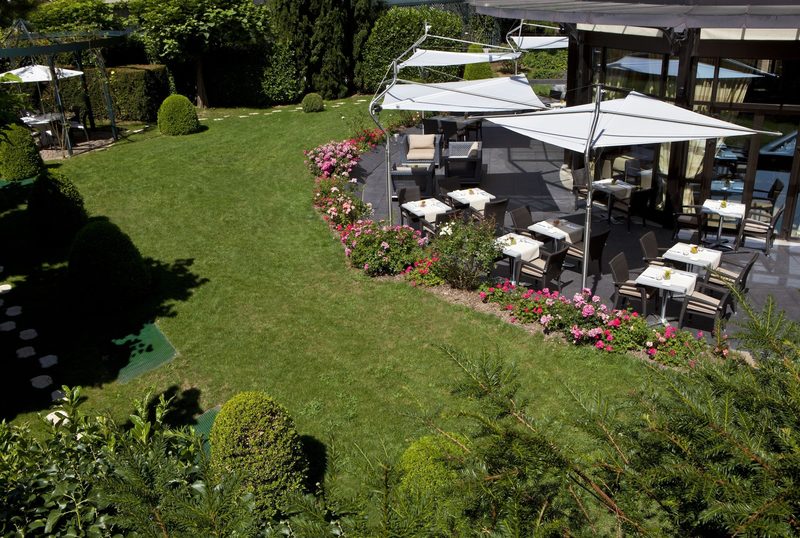
InterContinental Hotels LYON - HOTEL DIEU by IHG
From $301 / night
Check Prices on Trip.com →
Packing Checklist
Bookmark this page — your progress is saved between visits
Need the full list with shopping links?
Climate-specific gear, brand recommendations, and what to leave at home.
View Lyon Packing List →Essential Tips
Insider knowledge and common pitfalls to avoid
Insider Knowledge
La rentrée is Lyon's real new year. By mid-September the city has fully rebooted after the August shutdown. The energy shift is palpable. Bouchons that ran on skeleton crews are back with full menus and regular staff. Gallery openings crowd the Presqu'île on Thursday evenings. The terraces along the Quai de Serbie fill with locals catching up after vacation. You are seeing the city as the Lyonnais live in it, not the summer tourist version.
The Croix-Rousse market on Boulevard de la Croix-Rousse beats the tourist-facing stalls along the Saône for serious food shopping. Go Tuesday or Saturday morning before 9:30 AM for the full spread of September produce. You will find Solliès figs, Saint-Marcellin cheese at peak ripeness, the year's first cèpes and girolles, and charcuterie from small Rhône-Alpes producers who sell here and nowhere else. The fromagers will let you taste before buying if you ask in French, even badly.
Lyon's funicular from Vieux Lyon metro to Fourvière is part of the regular metro system and takes the same transit card. There is no need for a separate ticket. The ride saves a steep 20-minute climb up the Montée du Chemin Neuf. Take the funicular up and walk down through the Jardin du Rosaire. This is far easier on the knees and offers one of the city's best unobstructed views of the Presqu'île and the Saône below.
September evenings on the Berges du Rhône, the landscaped riverbank park stretching south from the Parc de la Tête d'Or toward Confluence, are when Lyon unwinds in a way it does not during working hours. Joggers, cyclists, groups sharing wine on the stone steps by the water, the last warm light catching the facades of the Brotteaux quarter across the river. Bring something to sit with near the Passerelle du Collège around 7 PM. You are in the city's communal living room, which is free and better than most paid views.
Avoid These Mistakes
Avoid eating in the first bouchon you spot in Vieux Lyon without checking for the official Bouchons Lyonnais certification label. The Saint-Jean quarter is thick with restaurants trading on the bouchon name while serving microwaved tourist fare at marked-up prices. The certified bouchons, marked with a small oval plaque featuring Gnafron, the Lyon puppet character, maintain the standards of traditional Lyonnais cooking. Several of the best certified bouchons sit on the Presqu'île and in the 1st and 7th arrondissements, well away from the Vieux Lyon tourist corridor.
Treating Lyon as a day trip from Paris. The TGV makes it temptingly fast, barely two hours. But arriving at noon and leaving at eight gives you a rushed march through Vieux Lyon, a harried lunch, and maybe Fourvière if you sprint. Lyon's best experiences are slow ones: a three-hour lunch at a bouchon, a morning wandering through Croix-Rousse with no agenda, an evening on the Berges watching the light change on the water. Two full days is the minimum to feel like you have been here rather than passed through.
Packing only summer clothes because September sounds warm. The daytime high of 23°C (73°F) is comfortable in a t-shirt, but by 8 PM the temperature has dropped toward 15°C (59°F) and by late evening you are approaching 12°C (55°F). Travelers in shorts and sandals at a 9 PM dinner look cold and out of step next to Lyonnais in light jackets and scarves. Layer for a swing of about 11°C (20°F) between midday and midnight and you will be comfortable from the morning market through a late walk home along the quays.
Ready to plan your trip to Lyon?
Now that you've got the research covered, here's where to go next.
Book Experiences in Lyon
Top-rated things to do in Lyon this September


Explore More Activities in Lyon
Didn't see anything interesting yet?
Browse Viator's full catalog of tours, day trips, food experiences, and private guides in Lyon.
See All Lyon Tours on Viator